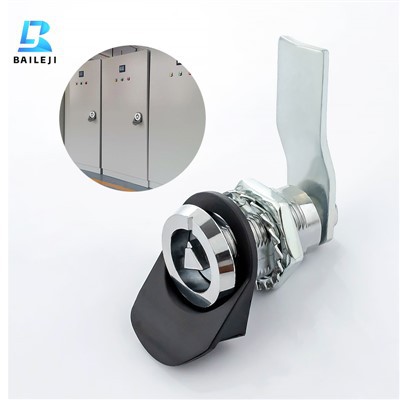
As a supplier of industrial cabinet locks, I often encounter customers who are concerned about the issue of keys breaking in their locks. This problem not only causes inconvenience but can also lead to significant downtime and costs in industrial settings. In this blog, I’ll share some effective strategies to prevent key breakage in industrial cabinet locks, drawing from my experience in the industry. Industrial Cabinet Lock
Understanding the Causes of Key Breakage
Before we dive into prevention methods, it’s crucial to understand why keys break. Several factors can contribute to this issue:
Key Material and Quality
Low – quality keys are more likely to break. In industrial environments, where keys are used frequently and may be subject to rough handling, using keys made from substandard materials can lead to premature breakage. For example, keys made from soft metals may bend or snap under normal use.
Wear and Tear
Over time, regular use of keys in locks causes friction between the key and the lock’s internal components. This friction gradually wears down the key, weakening it and increasing the likelihood of breakage. In industrial settings, high – volume usage can accelerate this wear – and – tear process.
Incorrect Insertion
Forcing a key into a lock at the wrong angle or without proper alignment can cause stress on the key. This misalignment can lead to parts of the key bending or breaking inside the lock.
Environmental Factors
Industrial environments can expose keys to harsh conditions such as moisture, chemicals, and extreme temperatures. These factors can corrode the key, making it brittle and more prone to breakage.
Preventive Measures
Choose High – Quality Keys
One of the most effective ways to prevent key breakage is to use high – quality keys. Invest in keys made from durable metals such as stainless steel or brass. These materials are resistant to corrosion and are strong enough to withstand the rigors of industrial use. For example, stainless steel keys are not only durable but also resistant to rust, making them ideal for environments where moisture is present.
Regular Key Maintenance
Maintaining your keys is essential for preventing breakage. Here are some maintenance tips:
- Cleaning: Periodically clean the keys to remove dirt, debris, and any corrosive substances. You can use a mild detergent and a soft brush to clean the keys, then dry them thoroughly. For example, in industrial areas with a lot of dust, cleaning the keys once a week can significantly extend their lifespan.
- Lubrication: Apply a small amount of lubricant to the key. This reduces friction between the key and the lock, minimizing wear and tear. Use a graphite – based lubricant, as it is suitable for most lock types and does not attract dirt like some oil – based lubricants.
Proper Key Handling
Train your employees on proper key handling techniques to prevent breakage. Here are some best practices:
- Correct Insertion: Ensure that keys are inserted into the lock smoothly and at the correct angle. Misaligned insertion can put excessive stress on the key. Provide clear instructions and demonstrations on how to insert keys properly.
- Avoid Excessive Force: Teach employees never to force a key into a lock. If the key doesn’t turn easily, it could be a sign of a problem with the lock itself, such as a misaligned tumbler or a blockage. Instead of applying more force, they should seek professional assistance.
Lock Maintenance
Well – maintained locks can also prevent key breakage. Here’s what you can do:
- Inspect Regularly: Check the locks for signs of damage or wear, such as loose components or misaligned parts. If any issues are detected, repair or replace the lock immediately.
- Lubricate the Lock: Just like keys, locks also need lubrication. Use the same graphite – based lubricant to lubricate the lock’s keyway and internal components. This ensures smooth operation and reduces the stress on the key.
Use Key Protectors
Key protectors can add an extra layer of protection to your keys. These are usually plastic or rubber covers that fit over the key. They prevent the key from getting scratched or damaged during handling and storage. In addition, key protectors can help keep the key clean and may even reduce the amount of friction between the key and the lock.
Keep Spare Keys
Always have spare keys available. In case a key breaks, having a spare on hand can minimize downtime. Make sure the spare keys are stored in a safe and easily accessible place.
Educating Your Clients on Key Breakage Prevention
As an industrial cabinet lock supplier, it’s important to educate your clients about these prevention methods. Provide them with detailed instructions on key and lock maintenance, proper handling, and the importance of using high – quality products. You can also offer training sessions for their employees to ensure that everyone is aware of these best practices.
In addition to providing education, you can also offer a range of products that are designed to prevent key breakage. For example, you can supply high – quality keys, key protectors, and lock lubricants. By offering these additional products and services, you can not only help your clients prevent key breakage but also increase your business.
Conclusion
Preventing key breakage in industrial cabinet locks is essential for maintaining smooth operations and reducing costs. By understanding the causes of key breakage and implementing the preventive measures outlined above, you can significantly extend the lifespan of your keys and locks. As an experienced industrial cabinet lock supplier, I am committed to helping my clients find the best solutions for their locking needs.
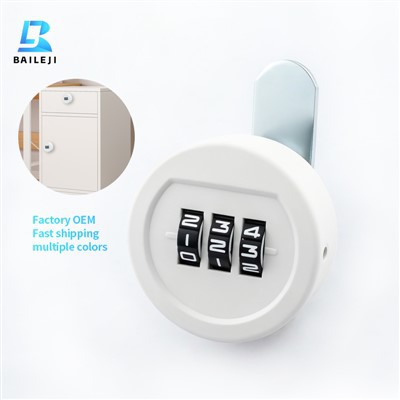
Cam Lock If you are interested in learning more about our industrial cabinet locks or need advice on preventing key breakage, I encourage you to reach out to me. We can discuss your specific requirements and find the most suitable products and solutions for your business. I look forward to the opportunity to work with you and help you ensure the security and reliability of your industrial cabinets.
References
- "Locksmithing Basics: Keys and Locks", published by a leading locksmithing association.
- Industry reports on the durability of different key materials in industrial environments.
Suzhou Baileji Intelligent Lock Industry Co., Ltd.
As one of the most professional industrial cabinet lock enterprises in China, we’re featured by quality products and good price. Please rest assured to buy discount industrial cabinet lock in stock here and get pricelist from our factory. Also, customized service is available.
Address: 3rd Floor, Building 9, Shengteng Industrial Park, No. 8 Ruyuan Road suzhou, jiangsu, China
E-mail: vip@bailejilocks.com
WebSite: https://www.bailejilock.com/
