Selecting the appropriate starting mode for starters & drivers is a crucial decision that can significantly impact the performance, efficiency, and longevity of your equipment. As a trusted supplier of starters & drivers, I’ve witnessed firsthand the challenges that customers face when making this choice. In this blog post, I’ll share my insights and expertise to help you navigate the selection process and choose the right starting mode for your specific needs. Starters & Drivers
Understanding Starters & Drivers
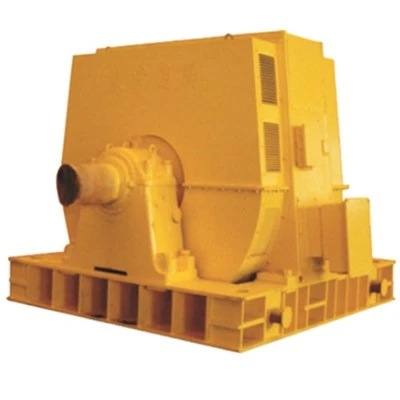
Before delving into the different starting modes, it’s essential to understand the basic functions of starters & drivers. Starters are devices used to initiate the operation of electric motors, while drivers are responsible for controlling the speed, torque, and direction of the motor. Together, they play a vital role in ensuring the smooth and efficient operation of various industrial and commercial applications.
Types of Starting Modes
There are several types of starting modes available for starters & drivers, each with its own advantages and disadvantages. The most common starting modes include:
Direct-On-Line (DOL) Starting
Direct-On-Line starting is the simplest and most straightforward method of starting an electric motor. In this mode, the motor is connected directly to the power supply, and full voltage is applied to the motor terminals. DOL starting provides high starting torque, which is ideal for applications that require quick acceleration and heavy loads. However, it also causes a high inrush current, which can lead to voltage dips in the power supply and mechanical stress on the motor and its components.
Star-Delta Starting
Star-Delta starting is a popular method of reducing the starting current and torque of an electric motor. In this mode, the motor is initially connected in a star configuration, which reduces the voltage applied to each winding and consequently reduces the starting current. Once the motor reaches a certain speed, it is switched to a delta configuration, which provides full voltage and torque for normal operation. Star-Delta starting is suitable for applications that do not require high starting torque, such as fans, pumps, and conveyors.
Soft Starting
Soft starting is a method of gradually increasing the voltage applied to the motor terminals, which reduces the starting current and torque. Soft starters use solid-state devices, such as thyristors, to control the voltage and current supplied to the motor. Soft starting provides a smooth and gradual acceleration of the motor, which reduces mechanical stress on the motor and its components and minimizes the impact on the power supply. Soft starting is suitable for applications that require a controlled start, such as crushers, compressors, and mixers.
Variable Frequency Drive (VFD) Starting
Variable Frequency Drive starting is a method of controlling the speed, torque, and direction of an electric motor by varying the frequency and voltage of the power supply. VFDs use advanced power electronics and control algorithms to provide precise control of the motor’s performance. VFD starting provides a smooth and efficient start, which reduces the starting current and torque and allows for precise control of the motor’s speed and torque. VFD starting is suitable for applications that require variable speed operation, such as conveyor belts, pumps, and fans.
Factors to Consider When Selecting a Starting Mode
When selecting a starting mode for starters & drivers, several factors need to be considered, including:
Motor Size and Type
The size and type of the motor play a crucial role in determining the appropriate starting mode. Larger motors typically require a more sophisticated starting mode to reduce the starting current and torque, while smaller motors may be able to use a simpler starting mode, such as DOL starting. The type of motor, such as induction motor or permanent magnet motor, also affects the selection of the starting mode.
Load Characteristics
The load characteristics, such as the inertia, friction, and torque requirements, of the application need to be considered when selecting a starting mode. Applications with high inertia or heavy loads require a starting mode that provides high starting torque, such as DOL starting or soft starting. Applications with low inertia or light loads may be able to use a simpler starting mode, such as Star-Delta starting.
Power Supply Capacity
The power supply capacity, such as the voltage, frequency, and available current, of the electrical system needs to be considered when selecting a starting mode. Starting modes that cause a high inrush current, such as DOL starting, may not be suitable for electrical systems with limited capacity. Starting modes that reduce the starting current, such as Star-Delta starting or soft starting, may be more appropriate for electrical systems with limited capacity.
Cost
The cost of the starter or driver and the associated installation and maintenance costs need to be considered when selecting a starting mode. Starting modes that use more advanced technology, such as VFD starting, may be more expensive than simpler starting modes, such as DOL starting. However, the long-term savings in energy consumption and maintenance costs may offset the initial investment.
Our Expertise as a Supplier
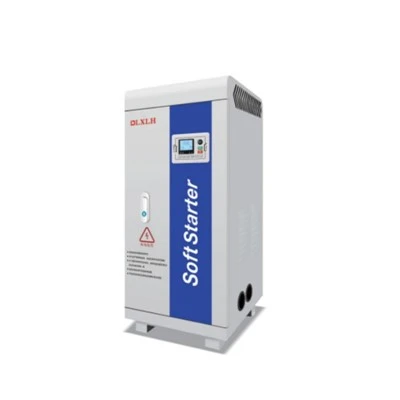
As a leading supplier of starters & drivers, we have extensive experience in helping our customers select the appropriate starting mode for their specific needs. Our team of experts can provide you with personalized advice and recommendations based on your motor size, load characteristics, power supply capacity, and budget. We offer a wide range of starters & drivers, including DOL starters, Star-Delta starters, soft starters, and VFDs, from top manufacturers in the industry. Our products are designed to provide reliable and efficient performance, and we offer excellent after-sales support to ensure your satisfaction.
Conclusion
AC Motor Selecting the appropriate starting mode for starters & drivers is a critical decision that can impact the performance, efficiency, and longevity of your equipment. By understanding the different starting modes available and considering the factors discussed in this blog post, you can make an informed decision and choose the right starting mode for your specific needs. As a trusted supplier of starters & drivers, we are committed to providing you with the highest quality products and services. If you have any questions or need assistance in selecting the appropriate starting mode for your application, please don’t hesitate to contact us. We look forward to working with you and helping you take your business to the next level.
References
- Fitzgerald, A. E., Kingsley, C., & Umans, S. D. (2003). Electric Machinery (6th ed.). McGraw-Hill.
- Chapman, S. J. (2012). Electric Machinery Fundamentals (5th ed.). McGraw-Hill.
- Nasar, S. A., & Boldea, I. (1996). Electric Drives: Fundamentals, Types, and Applications. CRC Press.
Xian Putai Electric Motor Equipment Co., Ltd.
Xian Putai Electric Motor Equipment Co., Ltd. is one of the most professional starters & drivers manufacturers and suppliers in China, also supports customized service with low price. Welcome to buy advanced starters & drivers in stock here from our factory. If you have any enquiry about quotation, please feel free to email us.
Address: Haibo Guangchang Fengcheng Nine Road Economical & Technological Development District Xi’an City Shaanxi Province – China
E-mail: sales@putaimotor.com
WebSite: https://www.putaimotor.com/
