Cryogenic ball valves are essential components in various industries, especially those dealing with extremely low – temperature applications such as liquefied natural gas (LNG), liquid oxygen, and liquid nitrogen. As a cryogenic ball valve supplier, I have witnessed firsthand the remarkable performance and reliability of these valves in harsh operating conditions. However, like any technology, cryogenic ball valves also have their limitations. In this blog, I will delve into the key limitations of cryogenic ball valves to help potential customers make informed decisions. Cryogenic Ball Valve
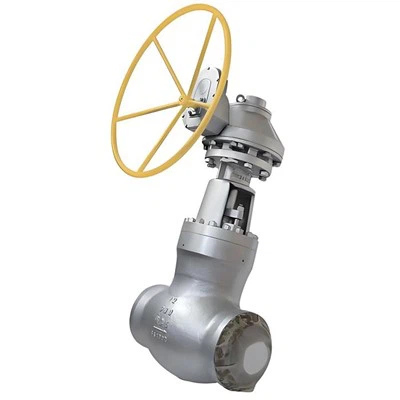
1. Material Constraints
One of the primary limitations of cryogenic ball valves lies in the materials used for their construction. At cryogenic temperatures, most common materials become brittle and lose their ductility. For instance, carbon steel, which is widely used in normal – temperature applications, is not suitable for cryogenic use because it can experience catastrophic failure due to embrittlement at low temperatures.
To address this issue, special materials such as stainless steel (e.g., 304L and 316L) and nickel – based alloys (e.g., Inconel) are used. These materials have better cryogenic properties, but they come with their own drawbacks. Stainless steel, while more resistant to embrittlement than carbon steel, can still face issues with corrosion in certain environments. Nickel – based alloys are expensive, which significantly increases the cost of the valve. This cost factor can be a major limitation, especially for large – scale projects with tight budgets.
Moreover, the selection of materials for seals and gaskets is also critical. Elastomeric seals, which are commonly used in standard valves, become hard and lose their elasticity at cryogenic temperatures. This can lead to leakage, a serious problem in cryogenic applications where the loss of valuable cryogenic fluids can be costly and dangerous. Therefore, special seal materials such as PTFE (polytetrafluoroethylene) are used. However, PTFE has a relatively low coefficient of thermal expansion, which can cause it to shrink and create gaps at cryogenic temperatures, potentially leading to leakage.
2. Design Complexity and Manufacturing Challenges
Cryogenic ball valves require a more complex design compared to standard ball valves. The design must take into account the extreme temperature differentials and the potential for thermal contraction and expansion. For example, the valve body and ball need to be designed in a way that allows for proper movement and sealing even as the materials contract at low temperatures.
Manufacturing cryogenic ball valves is also a challenging process. Precision machining is required to ensure that the valve components fit together perfectly. Any small deviation in the machining process can lead to improper sealing and leakage. Additionally, the manufacturing process often involves heat treatment and other special processes to enhance the cryogenic properties of the materials. These processes add to the complexity and cost of manufacturing.
The testing of cryogenic ball valves is also more rigorous. They need to be tested at cryogenic temperatures to ensure their performance and reliability. This requires specialized testing equipment and facilities, which are expensive to set up and maintain. The testing process is time – consuming, and any failure during testing can result in significant delays and additional costs.
3. Operational Limitations
In operation, cryogenic ball valves face several limitations. One of the main issues is the slow opening and closing speed. Due to the low – temperature environment, the lubricants used in the valve can become thick or even solidify, making it difficult to operate the valve quickly. This slow operation can be a problem in applications where rapid shut – off or opening is required, such as in emergency situations.
Another operational limitation is the potential for ice formation. When cryogenic fluids are flowing through the valve, there is a risk of moisture in the surrounding air condensing and freezing on the valve surface. Ice formation can interfere with the valve’s operation, causing it to stick or malfunction. This requires additional measures such as insulation and heating to prevent ice formation, which adds to the complexity and cost of the system.
The maintenance of cryogenic ball valves is also more challenging. The low – temperature environment makes it difficult to access and repair the valve components. Special tools and protective equipment are required for maintenance work. Additionally, the seals and gaskets need to be replaced more frequently due to the harsh operating conditions, which increases the maintenance cost and downtime.
4. Flow Capacity and Pressure Drop
Cryogenic ball valves can have limitations in terms of flow capacity. The design of the valve, especially the size of the ball and the port, can restrict the flow of cryogenic fluids. In some cases, the valve may not be able to handle the required flow rate, which can affect the overall performance of the system.
Pressure drop is another concern. As the cryogenic fluid flows through the valve, there is a certain amount of pressure loss. The pressure drop in cryogenic ball valves can be higher compared to other types of valves, especially if the valve is not properly sized or designed. This can result in reduced efficiency of the system and increased energy consumption.
5. Compatibility with Other System Components
Cryogenic ball valves need to be compatible with other components in the system, such as pipes, pumps, and regulators. However, achieving compatibility can be difficult due to the different materials and operating conditions. For example, the thermal expansion and contraction rates of the valve and the pipes may be different, which can cause stress and potential damage to the system.
The connection between the valve and the pipes also needs to be carefully designed. Improper connections can lead to leakage and other problems. Additionally, the valve may need to be integrated with control systems, and ensuring compatibility with these systems can be a challenge, especially in complex industrial applications.
Conclusion
Despite their limitations, cryogenic ball valves are still indispensable in many cryogenic applications. Understanding these limitations is crucial for customers to select the right valve for their specific needs. As a cryogenic ball valve supplier, I am committed to providing high – quality valves and working closely with customers to address these limitations.
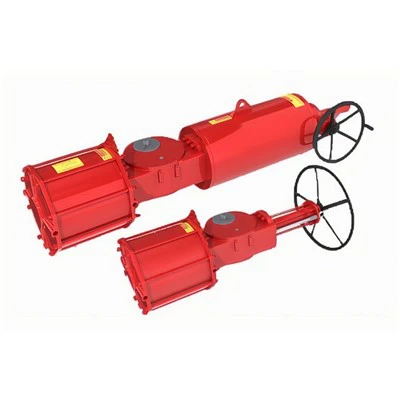
Actuator If you are in need of cryogenic ball valves for your project, I encourage you to reach out to me. We can discuss your requirements in detail and find the best solution for your application. Whether it’s about material selection, design optimization, or operational considerations, I have the expertise to assist you. Let’s work together to overcome the challenges and ensure the success of your cryogenic system.
References
- ASME B31.3 Process Piping Code
- API 6D Specification for Pipeline Valves
- ISO 15848 – 1 Industrial Valves – Determination of Fugitive Emissions – Part 1: Type Testing of Valves
Wuxi PYNOS Flow-tech Co., Ltd.
As one of the leading cryogenic ball valve manufacturers and suppliers in China, we offer a wide range of products with superior quality. We warmly welcome you to buy high quality cryogenic ball valve made in China here from our factory. We also accept customized orders.
Address: Sales Center: 7th Floor, No.19 Qingyuan RD, Wuxi City, Jiangsu Prov., China
E-mail: Info@pynosvalve.com
WebSite: https://www.pynosvalves.com/
