Hey there, fellow bakers and bakery enthusiasts! I’m here as a preservatives supplier to chat about how these little magic ingredients work in bakery products. You know, in the bakery business, keeping your goods fresh and delicious for as long as possible is super important. That’s where preservatives come in. Preservatives
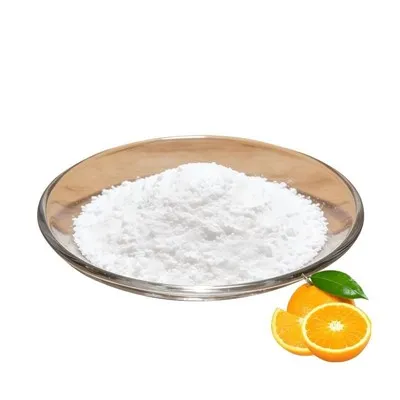
First off, let’s understand what preservatives are. They’re substances added to bakery products to prevent spoilage, extend shelf – life, and maintain the quality of the food. There are different types of preservatives, and each works in its own unique way.
One of the most common types is the chemical preservatives. Take sodium benzoate, for example. It’s widely used in the food industry, including bakeries. Sodium benzoate works by inhibiting the growth of microorganisms like bacteria, yeasts, and molds. Microorganisms need a certain environment to grow, like a specific pH level and moisture content. Sodium benzoate changes the internal environment of these microorganisms. It enters their cells and disrupts their normal metabolic processes. When the metabolism is messed up, the microorganisms can’t grow and reproduce, which means your bakery products stay fresh for longer.
Another well – known chemical preservative is calcium propionate. It’s often used in bread and other baked goods. Calcium propionate is very effective against molds. Molds are a big problem in bakeries because they can make your products look unappetizing and can even produce toxins. Calcium propionate works by interfering with the mold’s ability to produce energy. Molds need to break down sugars to get energy for growth. Calcium propionate inhibits the enzymes that are responsible for this sugar – breaking process. Without energy, the mold can’t grow, and your bread stays mold – free for a longer time.
Now, let’s talk about natural preservatives. These are becoming more and more popular because consumers are looking for more natural options in their food. One of the natural preservatives we often supply is rosemary extract. Rosemary extract contains antioxidants, which are substances that can prevent oxidation. Oxidation is a process that can cause food to go bad. In bakery products, oxidation can lead to changes in flavor, color, and texture. For example, fats in baked goods can oxidize and turn rancid, giving the product an unpleasant smell and taste. Rosemary extract helps to prevent this by neutralizing the free radicals that cause oxidation. Free radicals are unstable molecules that react with other substances in the food and start the oxidation process. The antioxidants in rosemary extract react with these free radicals first, stopping the oxidation before it can damage the bakery products.
There’s also vinegar. Although it might sound strange, vinegar is a great natural preservative for bakery products. It works by lowering the pH of the product. Most microorganisms prefer a neutral or slightly alkaline environment to grow. When you add vinegar to your bakery products, it creates an acidic environment that’s not suitable for the growth of bacteria, yeasts, and molds. For instance, in some types of sourdough bread, the natural fermentation process produces acids similar to vinegar, which helps to preserve the bread.
The effectiveness of preservatives also depends on how they’re used. It’s not just about adding them to the dough. The amount of preservative you use matters a lot. If you use too little, it won’t be able to prevent spoilage effectively. On the other hand, if you use too much, it can affect the taste and texture of the bakery products. You also need to consider the other ingredients in your recipe. Some ingredients can interact with preservatives and reduce their effectiveness. For example, some proteins in flour can bind to certain preservatives, making them less available to inhibit the growth of microorganisms.
Temperature and storage conditions also play a role. Even with the best preservatives, if you store your bakery products at high temperatures or in a humid environment, they’ll still spoil faster. Most preservatives work better in a cool and dry environment. So, it’s important to store your products in the right conditions to get the most out of the preservatives.
Let me share a little story. I once had a customer, a small – scale bakery owner. He was having problems with his bread going moldy within a day or two. He was using a small amount of a common chemical preservative, but it wasn’t working well. When we talked about it, we found out that he was storing his bread in a warm and humid area. We recommended that he increase the amount of the preservative slightly and also move his storage to a cooler, drier place. After he made these changes, his bread started staying fresh for up to a week.
Now, as a preservatives supplier, I know that choosing the right preservative can be a bit tricky. That’s why I’m here to help. Whether you’re a large – scale bakery or a small artisanal one, I’ve got the right preservatives for you. I can offer you a wide range of options, from chemical to natural preservatives, and I can help you figure out the best amount to use in your recipes.
If you’re interested in improving the shelf – life of your bakery products and want to learn more about our preservatives, or if you have any questions about how they work, don’t hesitate to reach out. I’d love to have a chat with you and discuss how we can work together to keep your bakery products fresh and delicious for your customers.
Acidulants References:
- "Food Preservation: Principles and Practices" by M. P. R. Rao
- "Handbook of Food Preservation" edited by Maria L. Tortorello and Steven L. Taylor
- Scientific research articles on food microbiology and preservation from peer – reviewed journals.
Fudijia (Tianjin) Supply Chain Co., Ltd.
With abundant experience, we re one of the most professional preservatives manufacturers and suppliers in China. We warmly welcome you to wholesale bulk high quality preservatives made in China here from our factory. For more information, contact us now.
Address: 301-2-1C,Jin Bin Jie Zuo,No.98, Huanghai Road,TEDA, Tianjin, China
E-mail: foodchem@hjlfoods.com
WebSite: https://www.ifoodchem.com/
