Do plastic water bottles attract bacteria? Plastic Water Bottles
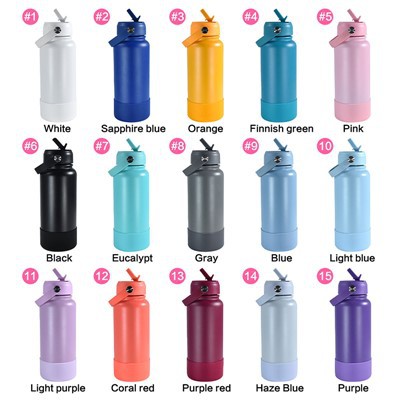
As a supplier of plastic water bottles, I’ve often encountered questions from customers about the relationship between our products and bacteria. It’s a valid concern, given the importance of health and hygiene in our daily lives. In this blog, I aim to delve into the topic of whether plastic water bottles attract bacteria, drawing on scientific knowledge and real – world experiences.
To understand if plastic water bottles attract bacteria, we first need to look at the nature of bacteria. Bacteria are ubiquitous microorganisms that can thrive in a variety of environments. They need a few key elements to grow: a source of nutrients, moisture, and a suitable temperature. Plastic itself is not a nutrient source for most bacteria. It is a synthetic polymer consisting mainly of carbon, hydrogen, and sometimes oxygen and other elements bound in a stable molecular structure that bacteria cannot break down for energy.
However, the environment within a plastic water bottle can be quite inviting for bacteria. Water, which is often stored in these bottles, is an excellent medium for bacterial growth. Once water is filled in a bottle, it can pick up a small number of bacteria from the air, our hands, or the water source itself. Moreover, if we drink directly from the bottle, our saliva, which contains various substances like proteins, sugars, and enzymes, can be introduced into the water. This saliva provides a rich source of nutrients for bacteria, enabling them to multiply.
Temperature also plays a crucial role. Bacteria generally grow best in warm, moist environments. When a plastic water bottle is left in a hot car or in direct sunlight, the temperature inside the bottle can rise significantly. Bacteria such as Escherichia coli (E. coli) and Staphylococcus aureus can multiply rapidly at temperatures between 20 – 45°C (68 – 113°F). For instance, a study showed that if water in a plastic bottle is left at room temperature (around 22 – 25°C or 71.6 – 77°F) for an extended period, the number of bacteria can increase by several orders of magnitude within 24 hours.
The design of plastic water bottles can also affect bacterial growth. Bottles with narrow necks or complex internal structures can be more difficult to clean thoroughly. Residues of water, saliva, or other substances can be trapped in these hard – to – reach areas, providing a long – term habitat for bacteria. If not cleaned regularly, biofilms can form on the inner surface of the bottle. Biofilms are communities of bacteria that are embedded in a self – produced matrix of extracellular polymeric substances. They are highly resistant to cleaning agents and can protect the bacteria from the host’s immune system. Once a biofilm is established, it becomes a continuous source of bacterial contamination.
Another factor to consider is the type of plastic used in the bottles. Not all plastics are the same in terms of their surface properties. Some plastics have a smoother surface, which makes it harder for bacteria to adhere. For example, polyethylene terephthalate (PET), which is commonly used in single – use plastic water bottles, has a relatively smooth and non – porous surface. This means that it may be less likely for bacteria to stick to the surface compared to plastics with a rougher texture. However, even with a smooth surface, if the other growth conditions (nutrients, moisture, and temperature) are right, bacteria can still thrive in the water inside the bottle.
It’s important to note that in clean and well – maintained plastic water bottles, the risk of significant bacterial growth can be minimized. Regular cleaning with hot water and mild detergent can remove most of the bacteria and residues. Additionally, storing the bottle in a cool place when not in use can slow down bacterial multiplication.
As a supplier of plastic water bottles, we are committed to providing high – quality products that meet strict hygiene standards. Our manufacturing processes are designed to produce bottles with smooth, clean surfaces that reduce the potential for bacterial adhesion. We use food – grade plastics that are safe for storing drinking water. However, we also understand that the end – user’s practices play a vital role in preventing bacterial growth.
We encourage our customers to follow some simple guidelines to ensure the safety of the water they drink from our plastic bottles. First, always wash your hands before handling the bottle or filling it with water. This reduces the transfer of bacteria from your hands to the bottle. Second, clean the bottle regularly. For daily use bottles, it is recommended to wash them at least once a day. Use a bottle brush to reach all parts of the bottle, especially the areas around the neck and the crevices. If possible, let the bottle air – dry completely between uses, as bacteria find it harder to survive in a dry environment.
If you are considering a bulk purchase of plastic water bottles for your business or organization, we are here to offer you the best solutions. Our range of plastic water bottles comes in various sizes and designs to meet your specific needs. Whether you need small, portable bottles for events or large – capacity bottles for offices or sports facilities, we can provide them at competitive prices.
We pride ourselves on our ability to provide reliable and high – quality plastic water bottles. Our team is dedicated to ensuring that every batch of bottles meets the highest standards of quality and safety. We understand the importance of having a clean and bacteria – free water storage solution, and we work continuously to improve our products.
If you are interested in learning more about our plastic water bottles or would like to discuss a potential purchase, please feel free to reach out to us. We are more than happy to answer any questions you may have and provide you with detailed product information and pricing.
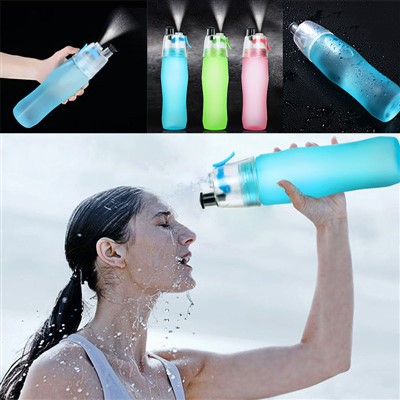
By choosing our plastic water bottles, you are not only getting a practical and cost – effective solution but also a product that has been designed with your health and hygiene in mind. Let’s start a conversation about how we can meet your plastic water bottle needs.
Water Bottle References
- Holt, J. G., Krieg, N. R., Sneath, P. H. A., Staley, J. T., & Williams, S. T. (Eds.). (1994). Bergey’s Manual of Determinative Bacteriology (9th ed.). Lippincott Williams & Wilkins.
- Jay, J. M., Loessner, M. J., & Golden, D. A. (2005). Modern Food Microbiology (7th ed.). Springer.
- World Health Organization. (2004). Guidelines for Drinking – Water Quality (3rd ed.). World Health Organization.
Polywell International
Polywell International is one of the most professional plastic water bottles manufacturers and suppliers in China, featured by quality products and good price. Please rest assured to buy advanced plastic water bottles made in China here and get quotation from our factory. Customized orders are welcome.
Address: Building 3, Chengzhou Industrial Zone, No.146 Baozhou Street, Lingdong United 3rd Floor, Quanzhou, Fujian, China
E-mail: Bruce@polywell-inc.com
WebSite: https://www.cndrinkware.com/
