As a supplier of self-leveling crack filler, I often receive inquiries from customers about the compatibility of our product with various surfaces. One question that comes up frequently is whether self-leveling crack filler can be used on PVC surfaces. In this blog post, I’ll delve into this topic, sharing insights based on my experience in the industry and scientific understanding. Self-leveling Crack Filler

Understanding Self-Leveling Crack Filler
Self-leveling crack filler is a versatile product designed to fill cracks and gaps in a variety of surfaces. It has the unique ability to flow and level itself, creating a smooth and even finish. This makes it an ideal solution for both small and large cracks, whether in floors, walls, or other structures. The main components of self-leveling crack fillers typically include polymers, resins, and fillers, which give the product its adhesive and leveling properties.
Properties of PVC Surfaces
PVC, or polyvinyl chloride, is a widely used plastic material known for its durability, flexibility, and resistance to moisture and chemicals. It is commonly used in a variety of applications, including pipes, flooring, window frames, and wall coverings. PVC surfaces have a smooth and non-porous finish, which can pose challenges when it comes to adhesion. Additionally, PVC is sensitive to certain chemicals and solvents, which can cause it to warp, discolor, or degrade.
Compatibility of Self-Leveling Crack Filler with PVC Surfaces
The compatibility of self-leveling crack filler with PVC surfaces depends on several factors, including the type of filler, the surface preparation, and the environmental conditions.
Type of Filler
Not all self-leveling crack fillers are created equal. Some fillers are specifically formulated for use on PVC surfaces, while others may not be suitable. When choosing a filler, it’s important to look for one that is labeled as compatible with PVC. These fillers are typically formulated with adhesives and additives that are designed to bond well to PVC surfaces without causing damage.
Surface Preparation
Proper surface preparation is crucial for ensuring a good bond between the self-leveling crack filler and the PVC surface. Before applying the filler, the surface should be clean, dry, and free of any dirt, grease, or debris. This can be achieved by using a mild detergent and water to clean the surface, followed by thorough rinsing and drying. In some cases, it may also be necessary to sand the surface lightly to create a rough texture that will help the filler adhere better.
Environmental Conditions
The environmental conditions during application can also affect the performance of the self-leveling crack filler. PVC surfaces are sensitive to temperature and humidity, so it’s important to apply the filler in a controlled environment. The ideal temperature range for applying self-leveling crack filler is between 50°F and 80°F (10°C and 27°C), and the relative humidity should be between 30% and 70%. Applying the filler in extreme temperatures or high humidity can cause the filler to dry too quickly or too slowly, which can affect its adhesion and leveling properties.
Testing and Case Studies
To determine the compatibility of our self-leveling crack filler with PVC surfaces, we conducted a series of tests in our laboratory. We applied the filler to PVC samples under different conditions, including varying temperatures, humidity levels, and surface preparations. The results of these tests showed that our filler was able to bond well to PVC surfaces when the surface was properly prepared and the application was carried out under the recommended environmental conditions.
In addition to our laboratory tests, we also have several case studies of customers who have successfully used our self-leveling crack filler on PVC surfaces. For example, a customer who had a crack in their PVC flooring was able to use our filler to repair the crack and restore the appearance of the floor. The filler leveled itself evenly and created a smooth and seamless finish, and the repair has held up well over time.
Benefits of Using Self-Leveling Crack Filler on PVC Surfaces
There are several benefits to using self-leveling crack filler on PVC surfaces.
Improved Appearance
One of the main benefits of using self-leveling crack filler on PVC surfaces is that it can improve the appearance of the surface. Cracks and gaps in PVC surfaces can be unsightly and can make the surface look old and worn. By filling these cracks with a self-leveling filler, you can create a smooth and even surface that looks new again.
Enhanced Durability
Self-leveling crack filler can also enhance the durability of PVC surfaces. Cracks in PVC surfaces can allow moisture and other contaminants to penetrate the material, which can cause it to deteriorate over time. By filling these cracks with a filler, you can prevent moisture and contaminants from entering the material, which can extend its lifespan.
Easy to Apply
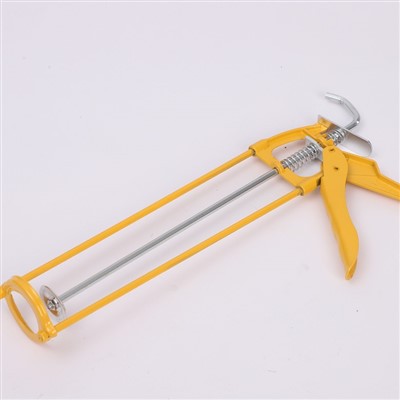
Self-leveling crack filler is easy to apply, even for DIYers. The filler comes in a ready-to-use form and can be applied using a trowel or a caulking gun. It levels itself automatically, which means that you don’t need to spend a lot of time or effort smoothing it out.
Precautions and Considerations
While self-leveling crack filler can be used on PVC surfaces, there are some precautions and considerations that you should keep in mind.
Compatibility
As mentioned earlier, not all self-leveling crack fillers are compatible with PVC surfaces. It’s important to choose a filler that is specifically formulated for use on PVC. Using the wrong filler can cause damage to the PVC surface, such as warping, discoloration, or degradation.
Surface Preparation
Proper surface preparation is crucial for ensuring a good bond between the self-leveling crack filler and the PVC surface. Make sure to clean the surface thoroughly and remove any dirt, grease, or debris. If necessary, sand the surface lightly to create a rough texture that will help the filler adhere better.
Application
When applying the self-leveling crack filler, make sure to follow the manufacturer’s instructions carefully. Apply the filler in a thin layer and spread it evenly over the crack or gap. Use a trowel or a caulking gun to apply the filler, and make sure to smooth it out as much as possible.
Curing Time
Self-leveling crack filler typically takes several hours to cure, depending on the temperature and humidity. Make sure to allow the filler to cure completely before using the PVC surface. Avoid walking on the surface or applying any pressure to it until the filler has fully cured.
Conclusion
In conclusion, self-leveling crack filler can be used on PVC surfaces, but it’s important to choose the right filler and follow the proper application procedures. By choosing a filler that is specifically formulated for use on PVC and preparing the surface properly, you can achieve a good bond between the filler and the PVC surface and create a smooth and even finish. If you have any questions or need further information about using self-leveling crack filler on PVC surfaces, please don’t hesitate to contact us. We’re here to help you find the right solution for your needs.
Neutral Silicone Glass Glue If you’re interested in purchasing our self-leveling crack filler for your PVC surface projects, we invite you to get in touch with us. Our team of experts is ready to assist you with product selection, technical advice, and any other questions you may have. Contact us today to start the procurement process and see how our high-quality self-leveling crack filler can meet your requirements.
References
- ASTM International. (Year). Standard Test Methods for Evaluating Adhesion of Coatings to Plastic Substrates. ASTM D3359.
- Manufacturer’s product data sheets for self-leveling crack fillers.
- Case studies and customer testimonials from previous projects.
Shandong Liangxin Adhesives Co., Ltd.
We are one of the most professional self-leveling crack filler manufacturers in China, featured by quality products and good service. Please rest assured to wholesale high-grade self-leveling crack filler in stock here and get pricelist from our factory. We also accept customized orders.
Address: Industrial Park, Jiudu Sub-district, Hedong District, Linyi City, Shandong Province, China
E-mail: 15253909280@139.com
WebSite: https://www.liangxinglue.com/
