As a seasoned supplier of pipeline pumps, I’ve witnessed firsthand the critical role these devices play in various industrial and commercial applications. One of the most pressing challenges that users face is the corrosion of pipeline pumps, which can significantly reduce their lifespan, efficiency, and reliability. In this blog post, I’ll share some practical strategies and insights on how to improve the corrosion resistance of a pipeline pump, based on my years of experience in the industry. Pipeline Pump

Understanding the Causes of Corrosion in Pipeline Pumps
Before we delve into the solutions, it’s essential to understand the root causes of corrosion in pipeline pumps. Corrosion is a natural process that occurs when metals react with their environment, leading to the deterioration of the metal over time. In the context of pipeline pumps, several factors can contribute to corrosion, including:
- Chemical Composition of the Fluid: The type of fluid being pumped is one of the primary factors that determine the likelihood and severity of corrosion. Certain chemicals, such as acids, alkalis, and salts, can be highly corrosive to metals. For example, pumping seawater or acidic wastewater can expose the pump to a harsh chemical environment, increasing the risk of corrosion.
- Temperature and Pressure: High temperatures and pressures can accelerate the corrosion process by increasing the reactivity of the metal and the fluid. In addition, temperature fluctuations can cause thermal stress on the pump components, leading to cracking and other forms of damage that can further exacerbate corrosion.
- Oxygen and Moisture: Oxygen and moisture are essential components for corrosion to occur. In the presence of oxygen and water, metals can undergo oxidation, forming rust and other corrosion products. Therefore, the presence of moisture in the fluid or the surrounding environment can significantly increase the risk of corrosion.
- Electrochemical Reactions: Electrochemical reactions can occur when two different metals are in contact with each other in the presence of an electrolyte, such as water or a conductive fluid. This can lead to galvanic corrosion, where one metal corrodes preferentially over the other.
Strategies to Improve Corrosion Resistance
Now that we have a better understanding of the causes of corrosion in pipeline pumps, let’s explore some effective strategies to improve their corrosion resistance.
Material Selection
One of the most fundamental ways to improve the corrosion resistance of a pipeline pump is to select the right materials for its construction. Different metals have different levels of corrosion resistance, depending on their chemical composition and properties. Here are some common materials used in pipeline pumps and their corrosion resistance characteristics:
- Stainless Steel: Stainless steel is a popular choice for pipeline pumps due to its excellent corrosion resistance, high strength, and durability. It contains a minimum of 10.5% chromium, which forms a passive oxide layer on the surface of the metal, protecting it from further corrosion. Different grades of stainless steel are available, each with its own specific corrosion resistance properties. For example, 316 stainless steel is more resistant to corrosion in chloride-rich environments, making it suitable for applications involving seawater or brine.
- Cast Iron: Cast iron is a widely used material for pipeline pumps due to its low cost and good mechanical properties. However, it is relatively susceptible to corrosion, especially in acidic or oxygen-rich environments. To improve its corrosion resistance, cast iron pumps can be coated with a protective layer, such as epoxy or polyurethane.
- Bronze and Brass: Bronze and brass are alloys of copper and other metals, such as tin and zinc. They have good corrosion resistance in many environments, especially in freshwater and mild chemical solutions. However, they can be susceptible to corrosion in the presence of certain chemicals, such as ammonia and sulfur compounds.
- Plastic and Composite Materials: Plastic and composite materials, such as polyvinyl chloride (PVC), polypropylene (PP), and fiberglass-reinforced plastic (FRP), are increasingly being used in pipeline pumps due to their excellent corrosion resistance, lightweight, and low cost. They are particularly suitable for applications involving corrosive fluids, such as acids, alkalis, and solvents.
Surface Coating and Treatment
In addition to selecting the right materials, surface coating and treatment can also be an effective way to improve the corrosion resistance of a pipeline pump. Surface coatings can provide a physical barrier between the metal surface and the corrosive environment, preventing direct contact and reducing the risk of corrosion. Here are some common surface coating and treatment methods:
- Epoxy Coating: Epoxy coating is a popular choice for pipeline pumps due to its excellent adhesion, chemical resistance, and durability. It can be applied to the entire surface of the pump or just to the areas that are most susceptible to corrosion. Epoxy coatings can be either solvent-based or water-based, depending on the specific application requirements.
- Polyurethane Coating: Polyurethane coating is another type of coating that is commonly used in pipeline pumps. It has good abrasion resistance, flexibility, and weatherability, making it suitable for outdoor applications. Polyurethane coatings can be applied in a variety of colors and finishes, providing both protection and aesthetic appeal.
- Galvanizing: Galvanizing is a process of coating steel or iron with a layer of zinc to protect it from corrosion. The zinc layer acts as a sacrificial anode, corroding preferentially over the steel or iron and preventing it from rusting. Galvanizing can be done by hot-dipping the pump components in a bath of molten zinc or by electroplating.
- Passivation: Passivation is a chemical process that involves treating the surface of stainless steel with an acid solution to remove any free iron or other contaminants and to enhance the formation of the passive oxide layer. Passivation can improve the corrosion resistance of stainless steel pumps and prevent the formation of rust stains.
Proper Installation and Maintenance
Proper installation and maintenance are also crucial for improving the corrosion resistance of a pipeline pump. Here are some tips to ensure that your pump is installed and maintained correctly:
- Installation: When installing a pipeline pump, it’s important to follow the manufacturer’s instructions carefully. Make sure that the pump is properly aligned, grounded, and supported to prevent vibration and stress on the pump components. In addition, avoid installing the pump in areas where it is exposed to excessive moisture, heat, or chemicals.
- Fluid Management: Proper fluid management is essential for preventing corrosion in pipeline pumps. Make sure that the fluid being pumped is compatible with the pump materials and that it is free from contaminants, such as dirt, sand, and debris. In addition, monitor the fluid temperature, pressure, and pH level regularly to ensure that they are within the recommended range for the pump.
- Regular Inspection and Cleaning: Regular inspection and cleaning of the pipeline pump can help to detect and prevent corrosion before it becomes a major problem. Inspect the pump components for signs of corrosion, such as rust, pitting, or cracking, and replace any damaged parts immediately. In addition, clean the pump regularly to remove any dirt, debris, or corrosion products that may have accumulated on the surface.
- Lubrication and Sealing: Proper lubrication and sealing are important for ensuring the smooth operation of the pipeline pump and for preventing the ingress of corrosive fluids. Make sure that the pump bearings, seals, and gaskets are properly lubricated and that they are in good condition. Replace any worn or damaged seals and gaskets immediately to prevent leaks.
Conclusion
Improving the corrosion resistance of a pipeline pump is essential for ensuring its long-term performance, reliability, and efficiency. By understanding the causes of corrosion, selecting the right materials, applying appropriate surface coatings and treatments, and following proper installation and maintenance procedures, you can significantly reduce the risk of corrosion and extend the lifespan of your pump.
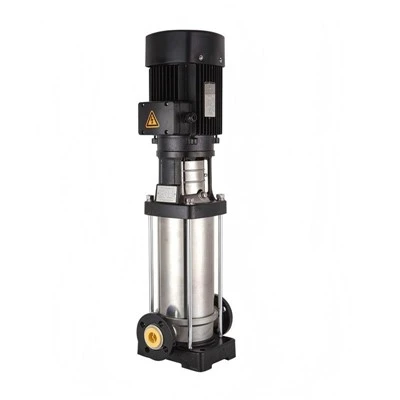
Vertical Multistage Pump As a pipeline pump supplier, I’m committed to providing high-quality products and solutions that meet the specific needs and requirements of my customers. If you’re looking for a reliable and corrosion-resistant pipeline pump for your application, I encourage you to contact me to discuss your options. I’ll be happy to provide you with more information and to help you select the right pump for your needs.
References
- Fontana, M. G. (1986). Corrosion engineering. McGraw-Hill.
- Uhlig, H. H., & Revie, R. W. (1985). Corrosion and corrosion control: an introduction to corrosion science and engineering. John Wiley & Sons.
- Schweitzer, P. A. (2004). Corrosion resistance tables. McGraw-Hill.
Taizhou Goodpump Trading Co., Ltd.
We’re well-known as one of the most professional pipeline pump enterprises in China, featured by quality products and good service. Please rest assured to buy discount pipeline pump in stock here from our factory. For quotation, contact us now.
Address: No. 38, District 6, Zhengye Village, Lunan Street, Luqiao District, Taizhou City, Zhejiang Province, China
E-mail: 19548175755@163.com
WebSite: https://www.goodpump-cn.com/
