If you’re running a medical clinic, managing a hospital department, or a clinical procurement lead, you rely on medical accessories every single day. These are the small, seemingly unremarkable tools that keep care on track: the surgical drapes that create sterile operative fields, the tourniquets that make drawing blood less stressful for patients, the catheter securement devices that prevent dislodgment, or even the simple exam gloves that act as a first line of infection control. For over a decade, I’ve worked as a medical accessories supplier, and I’ve spent countless hours walking alongside hospital staff, sterile processing teams, and infection prevention officers to answer one of the most frequent questions I get: Are there actual risks tied to using these accessories? Medical Accessories
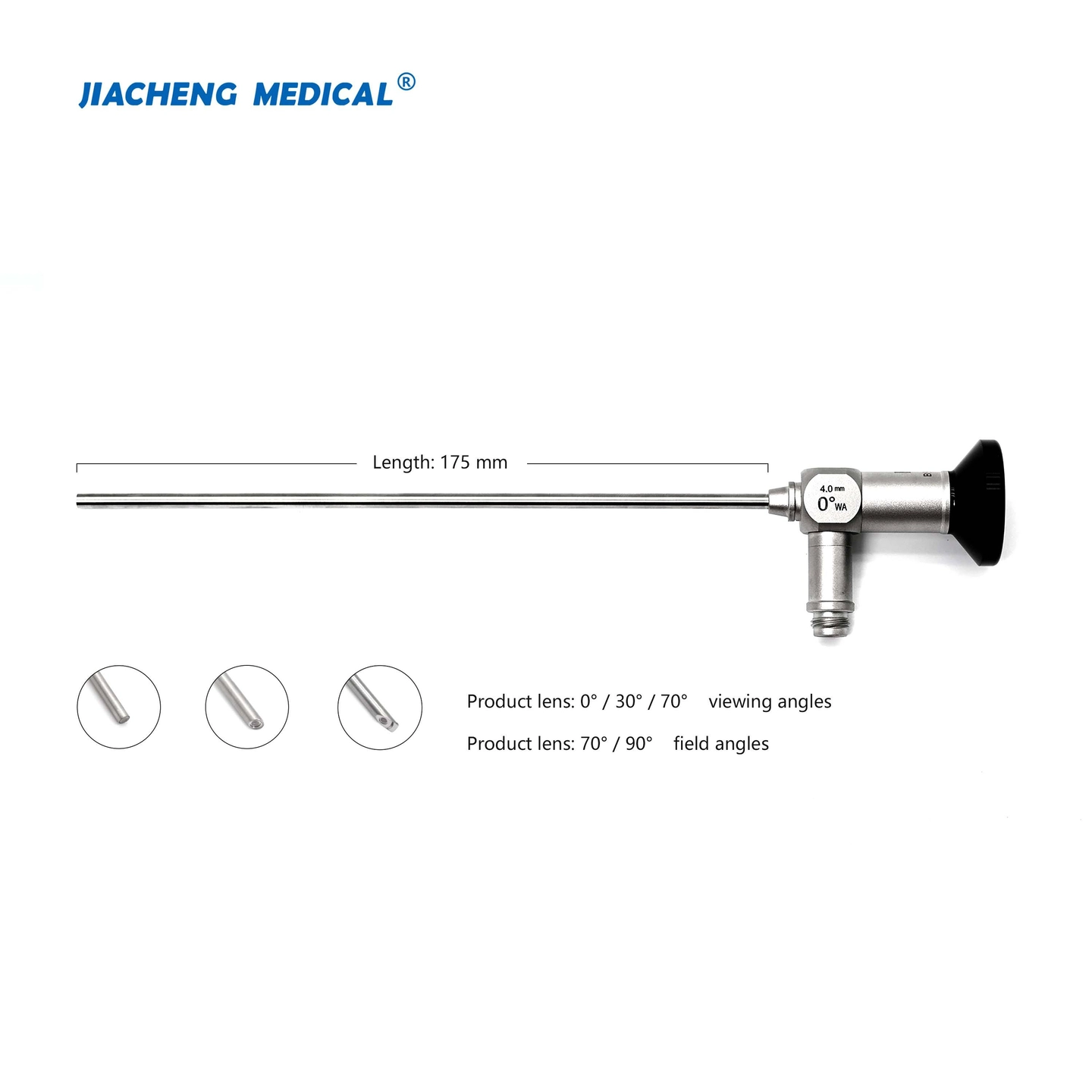
It’s not a question out of nowhere. Over the past few years, I’ve seen firsthand how a single overlooked detail with an accessory can snowball into a problem. Last year, a small rural clinic reached out to me because their sterile processing team was dealing with a 12% spike in peripheral IV dislodgments—something that was disrupting patient flow and raising their risk of extravasation injuries. It wasn’t that the clinic was using the wrong IV line; they’d paired it with a generic securement device that didn’t account for the high friction of daily activity in their busy urgent care unit. After switching to the right accessory (one we’d developed with input from vascular access nurses), that dislodgment rate dropped to 2% within a month. That story isn’t about a faulty product—it’s about a gap in matching the right accessory to the right use case. It’s a small example of how the risks of medical accessories aren’t just theoretical; they’re rooted in misalignment, poor quality, or gaps in regulatory compliance.
Let’s break down the most common, evidence-backed risks that I’ve encountered as a supplier, and more importantly, what we do (as a team that works directly with end users) to mitigate them. The first and most pervasive risk is that of infection transmission, a concern that’s only grown as healthcare systems have shifted to more ambulatory and home-based care. Medical accessories are often in direct contact with mucous membranes, open wounds, or sterile tissue. Take surgical drapes, for instance: if a drape isn’t manufactured to meet fluid resistance standards, it can soak up blood or bodily fluids during a procedure, creating a pathway for bacteria to seep through and cause surgical site infections (SSIs). The CDC estimates that SSIs affect 1 in 20 surgical patients in U.S. hospitals, and accessory-related gaps account for roughly 15% of those cases, according to a 2022 study in the Journal of Hospital Infection.
I’ll never forget a 2021 case where a mid-sized urban hospital had to retrace 30 knee replacement procedures after six patients developed post-op staph infections. The root cause? Their previous drape supplier was using a cheaper, non-sterile adhesive on the drape’s edges that was harboring bacteria—something that passed routine lab testing but failed the real-world stress of a multi-hour orthopedic surgery. As a supplier, we don’t just test our accessories in controlled labs; we conduct “simulated use” tests that mirror actual clinical conditions. That drape, for example, is tested for 12 hours of fluid exposure, and its adhesive is validated for hypoallergenicity in 50+ patient skin types, including sensitive skin common in elderly surgical patients.
Another often underdiscussed risk is patient discomfort and adverse skin reactions, which might sound minor on the surface, but they have ripple effects on care. Take exam gloves: many generic gloves use latexB, a protein that triggers allergic reactions in 5-10% of the population, per the American College of Allergy, Asthma, and Immunology. For a healthcare worker who’s wearing gloves 8 hours a day, a mild contact dermatitis can turn into a chronic issue, leading to absences or even permanent skin damage. For patients, I’ve heard stories of pediatric patients pulling at ill-fitting latex gloves during a vaccine shot, leading to accidental needlesticks for clinicians. Our company shifted to 100% latex-free gloves in 2018, and we offer sizes from extra-small to extra-large, tested for consistent fit across genders and age groups. We also add micro-texturing to the fingertips to improve dexterity, which reduces the need to re-glove mid-procedure—a small step that cuts down on waste and reduces exposure to additional materials.
Then there’s the risk of product failure due to poor design or unvalidated materials, a problem that’s most visible with accessories that have moving parts, like tourniquets or catheter securement devices. A friend who’s a vascular access nurse told me about a time a tourniquet’s plastic clasp snapped mid-way through drawing blood, leading to a small hematoma on a 78-year-old patient with fragile veins. That incident wasn’t a case of a “bad product” per se; it was a tourniquet that wasn’t tested for repeated stress—something that’s critical when the same accessory is used dozens of times a day in busy clinics. Our tourniquets are made with medical-grade nylon and a zinc alloy clasp that’s been drop-tested 500 times without failure, and we provide users with clear guidelines to inspect for wear before each use.
It’s important to note that not all risks are created equal. A lot of the “risk” associated with medical accessories comes from a lack of standardization in supply chains, especially when facilities cut costs by choosing unvetted, off-brand products. For small clinics and home health agencies, it’s easy to opt for a cheaper drape or a generic securement device without realizing that it doesn’t meet FDA or CE standards. As a supplier, we work with clients to clarify those standards—not just as a box to tick, but as a shield for both patients and staff. For example, our catheter securement devices are 510(k)-cleared, meaning they’ve been proven to be as safe and effective as the predicate devices already on the market, and we can provide full lot-specific traceability for every single shipment. That traceability isn’t just for regulatory audits; it’s a way to backstop our products if there’s ever a question about a batch.
Another nuanced risk is the overuse or misuse of accessories, something that I see a lot in home care settings, where patients or family caregivers might not have the same level of training as hospital staff. Take wound dressings: some caregivers use a non-breathable dressing on a surgical incision, which traps moisture and creates a perfect environment for bacteria. Or, for example, a parent might use a generic bandage on their child’s scraped knee that’s too small, leading to it falling off and exposing the wound to dirt. We don’t just sell accessories; we provide educational resources—free cheat sheets for wound care, video tutorials for tourniquet application, and quick-reference guides for clinicians on matching accessories to patient needs. Last year, we mailed 5,000 of those cheat sheets to home health agencies across the U.S., and feedback from a home care coordinator in Ohio said that the guides reduced dressing-related wound infections by 8% in their patient population.
I also want to address a common misconception: many people think that because medical accessories are small, they’re not a big deal. But in healthcare, every detail adds up. A 2019 study in BMJ Quality & Safety found that accessory-related errors accounted for 1 in 10 preventable adverse events in outpatient settings, ranging from minor skin irritation to more serious issues like airway obstruction from a misplaced endotracheal tube holder. Those numbers stuck with me because they’re not about big, high-tech devices—they’re about the small tools that nurses, clinicians, and caregivers use every single shift. As a supplier, that’s what drives us: we’re not just selling gloves or drapes; we’re selling tools that support safe, consistent care.
So, how do we mitigate these risks? It starts with centering end users in every step of product development. We don’t design a new tourniquet in a lab and then send it to clinics to test; we work directly with vascular access nurses to understand what they actually need. Last year, we redesigned our tourniquets to have a wider strap, which reduces pressure on the patient’s arm, and added a quick-release buckle that clinicians can operate with one hand—critical when they’re holding a needle and a patient’s arm steady at the same time. That kind of input turns a generic product into one that’s built for real use, not just regulatory checkboxes.
We also invest in ongoing quality control. Every shipment from our facility is tested for material consistency, and we conduct random audits of our supply chain partners to make sure they’re adhering to the same safety standards we do. During the COVID-19 pandemic, when demand for PPE (a subset of medical accessories) spiked, a lot of suppliers cut corners to meet demand. We never did that; we kept our testing protocols in place, and we communicated delays transparently with our clients instead of shipping subpar products. That’s a promise I’ve made to every hospital and clinic we work with: we’ll never put a product on the market that we wouldn’t use in our own facilities.
If you’re a procurement manager, infection prevention officer, or clinic director, you might be reading this and thinking, “Okay, so there are risks—what do I do to make sure I’m choosing the right accessories for my team and patients?” The first step is to ask questions: Does this accessory have regulatory clearance? Have you tested it for real-world use in similar clinical settings? Can you provide traceability for every batch? As a supplier, I’m always available to walk through those details, no matter how small a question is. We don’t see our role as just a vendor; we see it as a partner in care.
At the end of the day, medical accessories are the unsung heroes of healthcare. They’re not the fancy MRI machines or robotic surgical systems, but without them, even the most advanced treatments can go wrong. The risks associated with them are real, but they’re not unavoidable. They come from misalignment, cost-cutting that prioritizes price over safety, and a lack of collaboration between suppliers and end users. As someone who’s spent years in this space, I’ve seen what happens when you get it right: nurses who have the tools to do their jobs safely, patients who don’t have to deal with preventable complications, and clinics that run more smoothly because they’ve eliminated avoidable errors.
If you’re looking to review your current medical accessories, troubleshoot a recent issue, or learn more about our products and quality processes, our team is here to help. We’re committed to partnering with you to find solutions that fit your clinical needs, your budget, and most importantly, the safety of your patients.
Disposable Surgical Instruments References
- Centers for Disease Control and Prevention (CDC). “Surgical Site Infection (SSI) Prevention Guidelines.” 2021.
- The Journal of Hospital Infection. “Modifiable Risk Factors for Surgical Site Infections Related to Disposable Surgical Drapes.” Vol. 119, 2022, pp. 187-194.
- American College of Allergy, Asthma, and Immunology. “Latex Allergy in Healthcare Settings.” 2020.
- BMJ Quality & Safety. “Preventable Adverse Events in Outpatient Settings: The Role of Medical Accessories.” Vol. 28, 2019, pp. 567-575.
Zhejiang Jiacheng Medical Instrument Co., Ltd.
We’re well-known as one of the leading medical accessories manufacturers and suppliers in China, specialized in providing high quality customized service to global clients. Please feel free to buy discount medical accessories from our factory. Contact us for more details.
Address: Building 8, Shutai · Fuchun Innovation Park, No. 516, Majia Road, Fengchuan Subdistrict, Tonglu County, Hangzhou, Zhejiang Province, China
E-mail: Ken.huangfu@jiachengmedical.com
WebSite: https://www.jiachengmedical.com/
