Hey there! I’m a supplier of output shafts, and today I wanna talk about how to lubricate an output shaft. It might seem like a small thing, but proper lubrication is super important for the performance and lifespan of your output shaft. Output Shaft
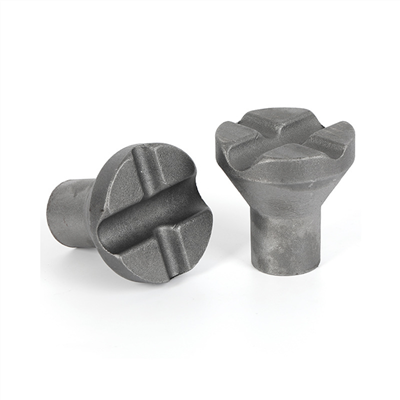
First off, let’s understand why lubrication is so crucial. An output shaft is a key component in many mechanical systems, like in cars, industrial machinery, and more. When it rotates, there’s a lot of friction between the shaft and the bearings or other parts it’s in contact with. Friction can cause wear and tear, generate heat, and even lead to mechanical failures. That’s where lubrication comes in. It reduces friction, cools down the parts, and helps prevent corrosion.
So, how do you go about lubricating an output shaft? Well, the first step is to choose the right lubricant. There are different types of lubricants out there, such as oils and greases. Oils are great for high – speed applications because they can flow easily and provide good cooling. Greases, on the other hand, are thicker and stay in place better, which is useful for applications where the shaft doesn’t move very fast or where you need long – term lubrication.
When you’re selecting a lubricant, you need to consider a few things. The operating temperature is a big one. If the output shaft is going to be in a high – temperature environment, you’ll need a lubricant that can withstand those conditions without breaking down. You also need to think about the load the shaft will be carrying. Heavier loads might require a more viscous lubricant to provide enough protection.
Let’s start with the lubrication process. Before you apply any lubricant, you need to make sure the output shaft is clean. Any dirt, debris, or old lubricant can mix with the new lubricant and reduce its effectiveness. You can use a clean cloth or a mild solvent to clean the shaft. Just be careful not to damage the shaft surface while cleaning.
If you’re using an oil – based lubricant, you can use a dropper or a small funnel to apply the oil to the shaft. Make sure to cover the areas where the shaft makes contact with other parts, like the bearings. You don’t want to over – oil it, though. Too much oil can cause leaks and attract dirt. A good rule of thumb is to apply a thin, even layer of oil.
For grease lubrication, you’ll need a grease gun. First, load the grease gun with the appropriate grease. Then, find the grease fittings on the output shaft. These are small ports where you can inject the grease. Insert the grease gun nozzle into the fitting and pump the grease until you see a small amount of fresh grease coming out. This indicates that the old grease has been pushed out and the new grease is in place.
It’s also important to lubricate at the right intervals. How often you need to lubricate depends on the application. For some high – usage machinery, you might need to lubricate daily or weekly. For less – used equipment, monthly or quarterly lubrication might be sufficient. You can usually find the recommended lubrication schedule in the equipment’s manual.
Another thing to keep in mind is the storage of lubricants. You should store them in a cool, dry place. Exposure to heat, moisture, or sunlight can degrade the lubricant’s quality. And always make sure to seal the containers properly to prevent contamination.
Now, let’s talk about some signs that your output shaft might not be getting enough lubrication. One of the most obvious signs is increased noise. If you hear grinding, squeaking, or other unusual noises coming from the shaft, it could be a sign of friction due to lack of lubrication. Another sign is overheating. If the shaft feels hot to the touch, it might be because there’s not enough lubricant to cool it down.
If you notice any of these signs, don’t ignore them. You should stop the equipment immediately and check the lubrication. If necessary, add more lubricant or replace the old lubricant if it’s contaminated or has broken down.
As a supplier of output shafts, I’ve seen firsthand how proper lubrication can make a huge difference in the performance of the shafts. I’ve also seen the problems that can occur when lubrication is neglected. That’s why I’m so passionate about sharing this information with you.
If you’re in the market for output shafts or need more advice on lubrication, I’d love to have a chat with you. Whether you’re a small business owner or part of a large industrial operation, we can work together to find the right output shafts for your needs and ensure they’re properly lubricated. Just reach out to me, and we can start a conversation about your requirements.
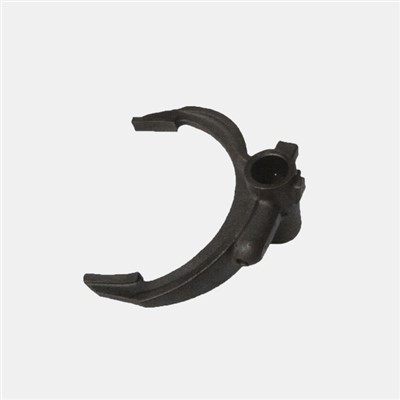
In conclusion, lubricating an output shaft is a simple but essential task. By choosing the right lubricant, following the proper lubrication process, and lubricating at the right intervals, you can extend the life of your output shaft and keep your machinery running smoothly.
Shaft Parts References:
- Machinery’s Handbook, 31st Edition
- Automotive Service: Inspection, Maintenance, Repair, 5th Edition
Taizhou Liuhuan Machinery Co., Ltd.
As one of the most professional output shaft manufacturers and suppliers in China, we’re featured by quality products and good service. Please rest assured to buy customized output shaft made in China here from our factory. For quotation, contact us now.
Address: Xinyuan Industrial Zone, Damaiyu Street, Yuhuan City, Zhejiang Province,China
E-mail: tzlhmachining@gmail.com
WebSite: https://www.tzlhmachining.com/
