Hey there! I’m a supplier of stamping small parts, and today I wanna chat about the electrical conductivity requirements for stamping small parts used in electronics. Stamping Small Parts
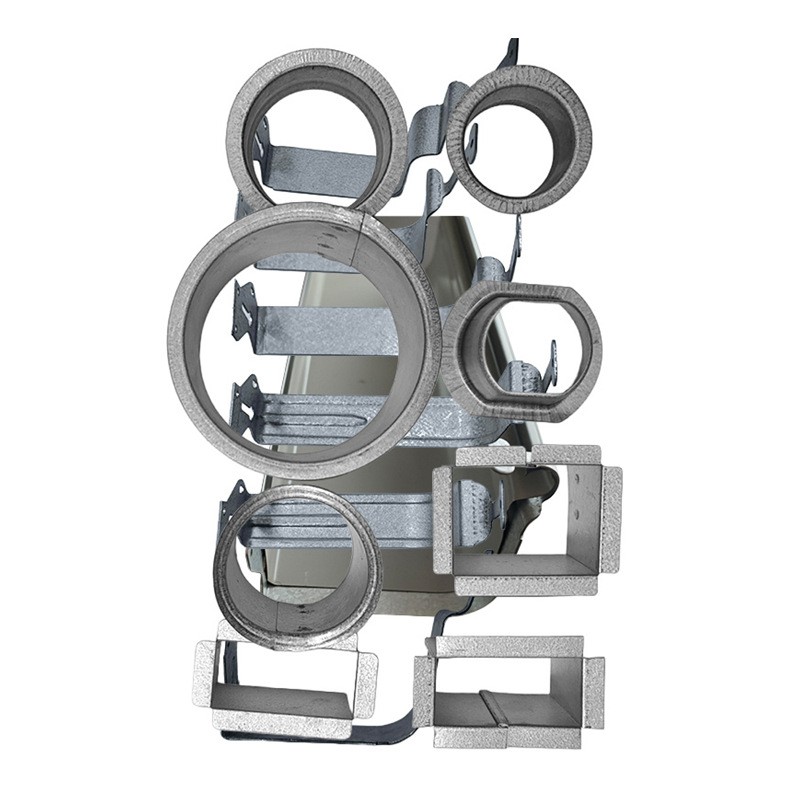
First off, let’s understand why electrical conductivity is such a big deal in the electronics world. In electronic devices, small parts like connectors, contacts, and terminals play a crucial role in ensuring the smooth flow of electricity. If these parts don’t have the right electrical conductivity, it can lead to all sorts of problems, like signal loss, overheating, and even device failure.
So, what exactly are the electrical conductivity requirements for these stamping small parts? Well, it depends on a few factors.
1. The Function of the Part
The function of the stamping small part in the electronic device is the primary factor that determines its electrical conductivity requirements. For example, parts that are used to transmit high – frequency signals, such as RF connectors, need to have very high electrical conductivity. This is because high – frequency signals are more prone to attenuation, and a high – conductivity material can help minimize this loss. On the other hand, parts that are used for grounding or power distribution may have slightly lower conductivity requirements, but still need to be good enough to carry the necessary current without excessive heating.
2. The Material of the Part
The choice of material has a huge impact on the electrical conductivity of the stamping small part. Some of the most commonly used materials in stamping small parts for electronics include copper, aluminum, and their alloys.
Copper is a top – notch choice when it comes to electrical conductivity. It has excellent conductivity properties, which means it can allow electricity to flow through it with very little resistance. This makes it ideal for parts that need to carry high currents or transmit high – frequency signals. For example, copper is often used in the manufacturing of printed circuit board (PCB) traces, connectors, and contacts.
Aluminum is also a popular material, especially in applications where weight is a concern. It has lower conductivity than copper, but it’s much lighter. This makes it a good choice for parts in portable electronic devices, where reducing weight is crucial. However, when using aluminum, we need to take extra care in the design and manufacturing process to ensure that the electrical performance meets the requirements.
Alloys of copper and aluminum can offer a balance between conductivity, strength, and other properties. For instance, brass (an alloy of copper and zinc) has good electrical conductivity and is also more corrosion – resistant than pure copper. It’s often used in parts that need to be durable and have a certain level of conductivity.
3. The Manufacturing Process
The stamping process itself can also affect the electrical conductivity of the small parts. During stamping, the material undergoes deformation, which can change its internal structure. If the stamping process is not properly controlled, it can lead to work – hardening of the material, which may reduce its electrical conductivity.
To ensure that the stamping small parts meet the electrical conductivity requirements, we need to pay close attention to the stamping parameters. For example, the punching force, die clearance, and stamping speed can all have an impact on the quality of the stamped parts. We also need to perform post – stamping treatments, such as annealing, to relieve the internal stress and restore the electrical conductivity of the material.
4. Environmental Factors
The environment in which the electronic device operates can also influence the electrical conductivity requirements of the stamping small parts. For example, in high – humidity environments, the parts need to be more corrosion – resistant to maintain their electrical conductivity. This may require the use of materials with better corrosion – resistance or the application of protective coatings.
In high – temperature environments, the electrical conductivity of the material may change due to thermal expansion and other factors. We need to choose materials that can maintain their electrical properties within the expected temperature range.
Meeting the Requirements
As a stamping small parts supplier, we have to make sure that our products meet the electrical conductivity requirements of our customers. We start by carefully selecting the right materials based on the specific needs of the application. We work closely with our material suppliers to ensure that the materials we use are of high quality and have the desired electrical properties.
During the manufacturing process, we use advanced stamping equipment and techniques to ensure that the parts are produced with high precision. We monitor the stamping parameters in real – time to make sure that the process is under control. After stamping, we perform a series of tests on the parts, including electrical conductivity testing, to ensure that they meet the specifications.
We also offer customization services. If our customers have special electrical conductivity requirements, we can work with them to develop customized solutions. We have a team of experienced engineers who can help design and optimize the parts to meet the specific needs of the application.
Why Choose Us
If you’re in the market for stamping small parts for your electronic devices, there are several reasons why you should consider us as your supplier.
First of all, we have a lot of experience in the industry. We’ve been supplying stamping small parts for many years, and we’ve worked with a wide range of customers, from small startups to large multinational companies. This experience has allowed us to develop a deep understanding of the electrical conductivity requirements for different applications.
Secondly, we’re committed to quality. We have a strict quality control system in place to ensure that every part we produce meets the highest standards. We use the latest testing equipment to verify the electrical conductivity and other properties of the parts.
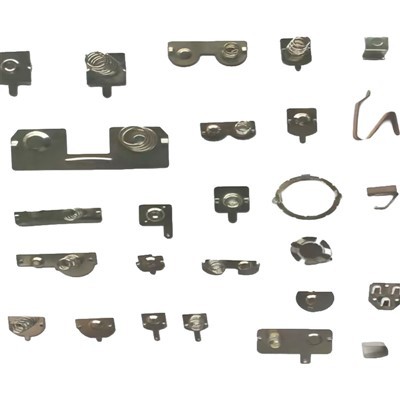
Finally, we offer competitive pricing. We understand that cost is an important factor for our customers, and we strive to provide high – quality products at a reasonable price. We achieve this by optimizing our production process and working closely with our suppliers to get the best deals on materials.
Micro Motor Stamping Parts If you’re interested in our stamping small parts and want to discuss your electrical conductivity requirements, don’t hesitate to reach out to us. We’re always happy to have a chat and see how we can help you with your project. Whether you need a small batch of custom – made parts or a large – scale production run, we’ve got you covered.
References
- "Electrical Conductivity of Metals and Alloys" – A textbook on materials science that provides in – depth information on the electrical properties of different metals and alloys.
- "Stamping Technology for Electronic Components" – A technical guide that covers the stamping process and its impact on the quality of small parts used in electronics.
- Industry reports on the electronics manufacturing industry, which often include information on the electrical conductivity requirements for various electronic components.
Yuyao Aozhou Metal Products Co., Ltd.
We are one of the most experienced stamping small parts manufacturers and suppliers in China. With a professional production team, we are able to meet the needs of the majority of our customers. Please rest assured to buy customized stamping small parts made in China here from our factory.
Address: No.6, Nanbailonggang, Wuma Industrial Zone, Lubu Town, Yuyao City
E-mail: xqr-2316@163.com
WebSite: https://www.cnaozhou.com/
