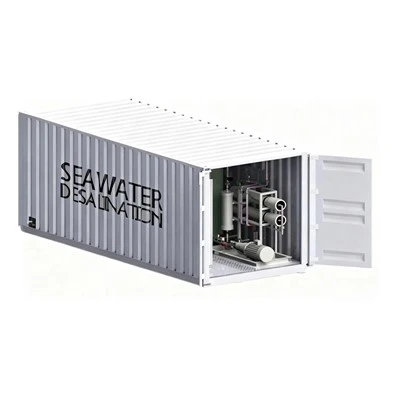
As a supplier of Containerized Water Treatment Systems, I often get asked about the flow rate of these systems. Understanding the flow rate is crucial for anyone looking to invest in a water treatment solution, whether it’s for industrial use, municipal supply, or emergency relief. In this blog post, I’ll delve into what flow rate means, how it’s determined in containerized water treatment systems, and why it matters. Containerized Water Treatment System
What is Flow Rate?
Flow rate refers to the volume of water that a water treatment system can process within a specific period. It is typically measured in gallons per minute (GPM) or cubic meters per hour (m³/h). For example, if a system has a flow rate of 100 GPM, it can treat 100 gallons of water every minute. This metric is essential as it directly impacts the system’s capacity to meet the water demand of a particular location or application.
Determining the Flow Rate of Containerized Water Treatment Systems
The flow rate of a containerized water treatment system is influenced by several factors. Firstly, the type of water treatment technology employed plays a significant role. Different treatment processes have varying capacities to handle water volume. For instance, a system using reverse osmosis (RO) technology may have a different flow rate compared to one using ultraviolet (UV) disinfection or activated carbon filtration.
RO systems are known for their relatively lower flow rates because they operate under high pressure to force water through a semi – permeable membrane. This process is effective in removing a wide range of contaminants, including dissolved salts, but it is also time – consuming. In contrast, UV disinfection systems can have higher flow rates as they primarily target microorganisms and do not involve complex physical separation processes.
The size and configuration of the system also affect the flow rate. Larger containerized units generally have higher flow rates because they can accommodate more treatment equipment and larger volumes of water at once. Additionally, the design of the system, such as the number of treatment stages and the arrangement of pipes and valves, can either enhance or restrict the flow of water.
Another important factor is the quality of the source water. If the water contains a high concentration of contaminants, the treatment system may need to operate at a lower flow rate to ensure effective purification. For example, water with a high turbidity level may require more time for sedimentation and filtration, reducing the overall flow rate.
Importance of Flow Rate in Different Applications
Industrial Use
In industries, the flow rate of a water treatment system is critical for maintaining continuous production processes. For example, in the manufacturing of textiles, large volumes of water are used for dyeing and washing. A containerized water treatment system with an appropriate flow rate is needed to ensure a consistent supply of clean water. If the flow rate is too low, production may be halted, leading to financial losses.
In the food and beverage industry, water quality and flow rate are of utmost importance. The flow rate must be sufficient to meet the daily production requirements while still ensuring that the water meets strict hygiene standards. Any interruption in the water supply or poor water quality can result in product contamination and damage to the company’s reputation.
Municipal Supply
For municipal water treatment, the flow rate determines the system’s ability to provide clean water to a large population. A city with a high population density requires a water treatment system with a high flow rate to meet the daily water demand. Inadequate flow rates can lead to water shortages, especially during peak usage times such as mornings and evenings.
Moreover, in emergency situations such as natural disasters or water main breaks, a containerized water treatment system with a high flow rate can quickly provide a reliable source of clean water to affected communities.
Emergency Relief
In emergency relief efforts, time is of the essence. Containerized water treatment systems need to have a sufficient flow rate to provide clean drinking water to displaced populations as soon as possible. High – flow systems can ensure that a large number of people have access to safe water, reducing the risk of water – borne diseases.
Selecting the Right Flow Rate for Your Needs
When choosing a containerized water treatment system, it’s essential to accurately assess your water demand. This involves considering factors such as the number of people or processes that will use the water, the frequency of use, and the quality of the source water.
If you’re unsure about the appropriate flow rate, it’s advisable to consult with a water treatment expert. At [My Company as a Supplier], we have a team of experienced professionals who can conduct a detailed water analysis and help you select the right system based on your specific requirements.
Maintaining the Flow Rate of Containerized Water Treatment Systems
Once you’ve installed a containerized water treatment system, proper maintenance is crucial to ensure that it maintains its optimal flow rate. Regular maintenance tasks include cleaning or replacing filters, checking the integrity of pipes and valves, and calibrating sensors and pumps.
Ignoring maintenance can lead to a decrease in flow rate over time. For example, clogged filters can restrict the flow of water, while malfunctioning pumps may not be able to generate enough pressure to move water through the system efficiently.
How We Ensure Optimal Flow Rates in Our Systems
As a supplier of containerized water treatment systems, we take several steps to ensure that our systems offer optimal flow rates. Firstly, we use high – quality components in our systems. From pumps to membranes, every part is carefully selected for its durability and performance.
We also conduct rigorous testing during the manufacturing process. Each system is tested under different conditions to ensure that it meets or exceeds the specified flow rate. Our quality control team monitors the testing process to guarantee that only the best – performing systems leave our facilities.
In addition, we provide comprehensive after – sales support to our customers. Our technicians are available to offer maintenance advice, perform system upgrades, and troubleshoot any issues that may arise. This ensures that our customers can continue to enjoy a reliable and efficient water treatment system with a consistent flow rate.
Conclusion

In conclusion, the flow rate of a containerized water treatment system is a critical factor that affects its performance and suitability for different applications. Whether you’re an industrial user, a municipal water provider, or involved in emergency relief efforts, understanding and selecting the right flow rate is essential.
Hollow Fiber Ultrafiltration Membrane As a trusted supplier of containerized water treatment systems, we are committed to providing high – quality solutions that meet the diverse needs of our customers. If you’re interested in learning more about our products or need help in choosing the right system for your flow rate requirements, please don’t hesitate to contact us for a procurement discussion. We look forward to working with you to ensure a reliable and efficient water treatment solution.
References
- AWWA (American Water Works Association). Water Treatment Plant Design.
- USEPA (United States Environmental Protection Agency). Drinking Water Treatment Technologies.
- ASCE (American Society of Civil Engineers). Water and Wastewater Engineering Handbook.
Hangzhou Nanoimp Environmental Technology Co., Ltd.
With abundant experience, we are one of the most professional containerized water treatment system manufacturers and suppliers in China. Welcome to wholesale high quality containerized water treatment system in stock here and get pricelist from our factory. We also accept customized orders.
Address: Road 25, Baiyang Street, Qiantang District, Hangzhou City, Zhejiang Province
E-mail: keith.wang@nano-sepmer.com
WebSite: https://www.nanoimp-membrane.com/
