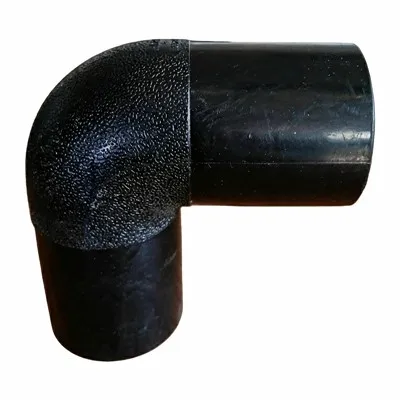
Hey there, fellow pipe enthusiasts! I’m a supplier of butt fusion fittings, and I’ve seen firsthand how crucial it is to get the butt fusion process right. Whether you’re working on a small DIY project or a large-scale industrial installation, optimizing the butt fusion process can save you time, money, and headaches. In this blog post, I’ll share some tips and tricks on how to optimize the butt fusion process for fittings. Butt Fusion Fittings
Understanding the Basics of Butt Fusion
First things first, let’s quickly go over what butt fusion is. Butt fusion is a welding process used to join two pieces of thermoplastic pipe or fitting together. The process involves heating the ends of the pipes or fittings until they’re molten, then pressing them together and holding them in place until they cool and solidify. This creates a strong, leak-proof joint that’s as strong as the original pipe.
Preparing for the Butt Fusion Process
One of the keys to a successful butt fusion is proper preparation. Here are some steps you can take to ensure your pipes and fittings are ready for welding:
- Clean the Surfaces: Before you start welding, make sure the ends of the pipes and fittings are clean and free of dirt, grease, and other contaminants. You can use a clean, dry cloth or a specialized cleaning solution to clean the surfaces.
- Check the Alignment: Proper alignment is crucial for a strong, leak-proof joint. Use a pipe alignment tool to ensure the pipes and fittings are perfectly aligned before you start welding.
- Cut the Pipes: Make sure the pipes are cut straight and square. You can use a pipe cutter or a saw to cut the pipes, but make sure the cut is clean and free of burrs.
- Mark the Welding Depth: Use a marker or a depth gauge to mark the welding depth on the pipes and fittings. This will help you ensure that you’re welding the pipes to the correct depth.
Choosing the Right Welding Equipment
Another important factor in optimizing the butt fusion process is choosing the right welding equipment. Here are some things to consider when choosing welding equipment:
- Welding Machine: Make sure you choose a welding machine that’s suitable for the size and type of pipes and fittings you’re working with. There are many different types of welding machines available, so do your research and choose one that’s right for your needs.
- Heating Plate: The heating plate is an essential part of the butt fusion process. Make sure you choose a heating plate that’s the right size and shape for the pipes and fittings you’re working with. You should also make sure the heating plate is clean and free of any damage.
- Clamps: Clamps are used to hold the pipes and fittings in place during the welding process. Make sure you choose clamps that are strong enough to hold the pipes and fittings securely, but not so tight that they damage the pipes or fittings.
Setting the Right Welding Parameters
Once you’ve prepared your pipes and fittings and chosen the right welding equipment, it’s time to set the right welding parameters. Here are some things to consider when setting the welding parameters:
- Temperature: The temperature of the heating plate is one of the most important welding parameters. Make sure you set the temperature to the recommended level for the type of pipes and fittings you’re working with. You can usually find the recommended temperature in the manufacturer’s instructions.
- Welding Pressure: The welding pressure is another important welding parameter. Make sure you apply the correct amount of pressure to the pipes and fittings during the welding process. You can usually find the recommended welding pressure in the manufacturer’s instructions.
- Welding Time: The welding time is also an important welding parameter. Make sure you weld the pipes and fittings for the recommended amount of time. You can usually find the recommended welding time in the manufacturer’s instructions.
Performing the Butt Fusion Process
Once you’ve set the right welding parameters, it’s time to perform the butt fusion process. Here are the steps to follow:
- Heat the Pipes and Fittings: Place the heating plate between the pipes and fittings and heat them until they’re molten. Make sure you heat the pipes and fittings evenly and for the recommended amount of time.
- Remove the Heating Plate: Once the pipes and fittings are molten, remove the heating plate from between them. Make sure you do this quickly and smoothly to avoid any damage to the molten surfaces.
- Press the Pipes and Fittings Together: Immediately after removing the heating plate, press the pipes and fittings together and hold them in place for the recommended amount of time. Make sure you apply the correct amount of pressure to the pipes and fittings during the pressing process.
- Cool the Joint: Once you’ve pressed the pipes and fittings together, let the joint cool for the recommended amount of time. This will allow the joint to solidify and become strong.
Inspecting the Welded Joint
After the joint has cooled, it’s important to inspect it to make sure it’s strong and leak-proof. Here are some things to look for when inspecting the welded joint:
- Appearance: The welded joint should have a smooth, even appearance. There should be no cracks, holes, or other defects in the joint.
- Weld Bead: The weld bead should be uniform and consistent in size and shape. There should be no excessive bead or underbead.
- Leakage: Check the joint for any signs of leakage. You can do this by applying pressure to the pipe and checking for any drops of water or other fluid.
Troubleshooting Common Problems
Even if you follow all the steps correctly, you may still encounter some common problems during the butt fusion process. Here are some tips on how to troubleshoot these problems:
- Poor Weld Quality: If the welded joint is weak or has poor quality, it may be due to incorrect welding parameters. Make sure you check the temperature, welding pressure, and welding time and adjust them as needed.
- Leakage: If the joint is leaking, it may be due to poor alignment or improper cleaning. Make sure you check the alignment of the pipes and fittings and clean the surfaces thoroughly before welding.
- Burned or Damaged Pipes: If the pipes or fittings are burned or damaged during the welding process, it may be due to incorrect temperature settings or excessive pressure. Make sure you check the temperature and pressure settings and adjust them as needed.
Conclusion
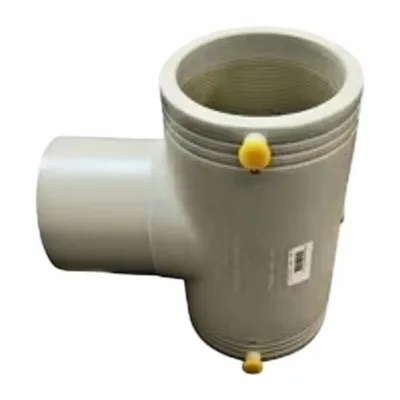
Optimizing the butt fusion process for fittings is essential for a successful pipe installation. By following the tips and tricks outlined in this blog post, you can ensure that your pipes and fittings are welded together correctly and that your joints are strong and leak-proof. Remember to always follow the manufacturer’s instructions and to use the right welding equipment and parameters for the type of pipes and fittings you’re working with.
Butt Fusion Fittings If you’re in the market for high-quality butt fusion fittings, I’d love to hear from you. We offer a wide range of butt fusion fittings in different sizes and materials to meet your needs. Whether you’re working on a small DIY project or a large-scale industrial installation, we’ve got you covered. Contact us today to learn more about our products and to discuss your specific requirements.
References
- "Butt Fusion Welding of Thermoplastic Pipes." Plastics Pipe Institute.
- "Guide to Butt Fusion Welding of Polyethylene Pipe." British Plastics Federation.
- "Butt Fusion Welding: A Comprehensive Guide." Pipe Fittings Manufacturer’s Association.
Qingdao Polyfusion Machinery Co., Ltd.
As one of the most professional butt fusion fittings manufacturers and suppliers in China, we have world-leading production equipment and strong manufacturing capabilities. Please feel free to buy bulk high quality butt fusion fittings from our factory.
Address: Chengyang Industry Zone, Chengyang, Qingdao, Shandong, China
E-mail: export01@qdpolyfusion.com
WebSite: https://www.polyfusionfittings.com/
